Financial management plays a pivotal role in achieving success in investments. It involves the strategic allocation of resources, risk assessment, and decision-making that can significantly impact investment outcomes. Mastering the art of financial management is essential for individuals seeking to maximize returns and build a strong investment portfolio. In this comprehensive guide, we will explore key strategies and principles that will empower you to navigate the complexities of investment management effectively.
Understanding Risk and Reward
One of the fundamental aspects of financial management in investments is understanding the relationship between risk and reward. Investments inherently involve varying degrees of risk, and it is crucial to assess and manage that risk prudently. By diversifying your portfolio across different asset classes and understanding the risk-return tradeoff, you can strike a balance that aligns with your investment goals and risk tolerance.
Asset Allocation
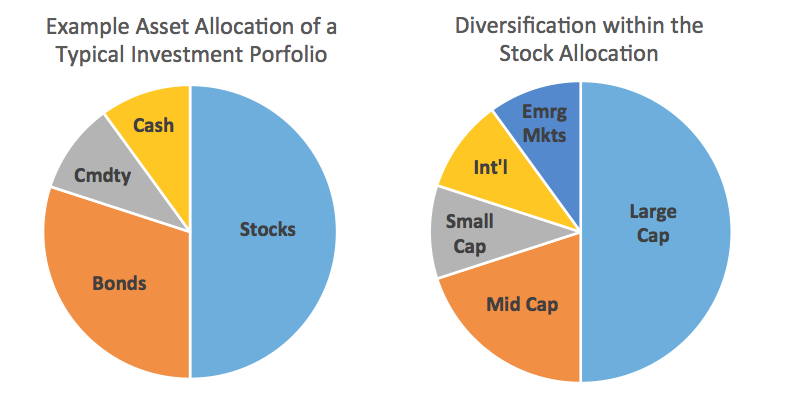
Effective financial management entails developing a well-thought-out asset allocation strategy. Asset allocation refers to the distribution of investments across different asset classes, such as stocks, bonds, real estate, and commodities. A balanced and diversified portfolio can help mitigate risks and optimize returns over the long term. Understanding your investment objectives, time horizon, and risk appetite will guide your asset allocation decisions.
Research and Due Diligence
Thorough research and due diligence are essential components of successful financial management in investments. Before committing capital to any investment opportunity, it is crucial to conduct comprehensive research, analyze financial statements, evaluate market trends, and assess the potential risks and rewards. It is wise to seek professional advice, leverage reliable investment resources, and stay updated with market news to make informed decisions.
Monitoring and Rebalancing
Financial management is an ongoing process that requires continuous monitoring of your investment portfolio. Regularly reviewing and assessing the performance of your investments allows you to identify areas that may require adjustments. Rebalancing your portfolio involves realigning your asset allocation to maintain the desired risk-return profile. By periodically rebalancing, you can capitalize on opportunities, manage risk exposure, and optimize returns.
Tax Planning
Efficient tax planning is a crucial aspect of financial management in investments. Understanding the tax implications of your investment decisions can help minimize tax liabilities and maximize after-tax returns. Consider utilizing tax-advantaged accounts, such as Individual Retirement Accounts (IRAs) or 401(k) plans, and explore tax-efficient investment strategies to optimize your overall tax position.
Risk Management
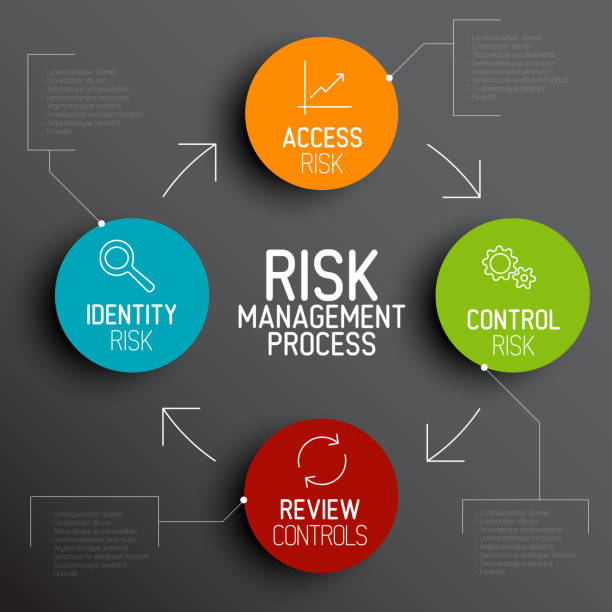
Financial management involves implementing risk management strategies to safeguard your investments against potential downturns. This includes setting up emergency funds, utilizing stop-loss orders, and employing hedging techniques. By proactively managing risks and having appropriate risk mitigation measures in place, you can protect your investment portfolio during uncertain market conditions.

Conclusion
Mastering the art of financial management is a continuous learning process that requires knowledge, discipline, and adaptability. By understanding risk and reward, implementing effective asset allocation strategies, conducting thorough research, monitoring and rebalancing your portfolio, engaging in tax planning, and managing risks, you can enhance your investment outcomes and achieve financial success. Remember, financial management is a dynamic practice, and staying informed and proactive will empower you to navigate the ever-changing investment landscape.