
The anticipation of a relaxing retirement, funded by state pensions or Social Security, might be a plan worth reconsidering. While these programs are often touted as a safety net, they could resemble the unreliable friend who pledges to be there but ultimately falls short. Delving into the intricacies of state pensions and Social Security reveals their limitations and the need for a more proactive approach to securing a stable retirement. Let’s explore these concerns using examples from the US and UK, while recognizing that similar dynamics apply globally.
1. The Elusive Comfort of State Pensions
Insufficient Funds for Comfortable Living Facing the stark truth, the sums provided by state pensions are rarely sufficient for a comfortable retirement. The average Social Security payout in the US, roughly $1,657 per month, and the UK state pension, about £179.60 per week, pale in comparison to pre-retirement earnings. With average annual incomes of $53,383 in the US and £31,772 in the UK, the funds granted by state pensions fall significantly short of maintaining pre-retirement standards. Moreover, these amounts often prove inadequate to cover post-retirement expenses, including healthcare and travel, demanding a more robust financial strategy.
2. Vulnerabilities in Pension Systems
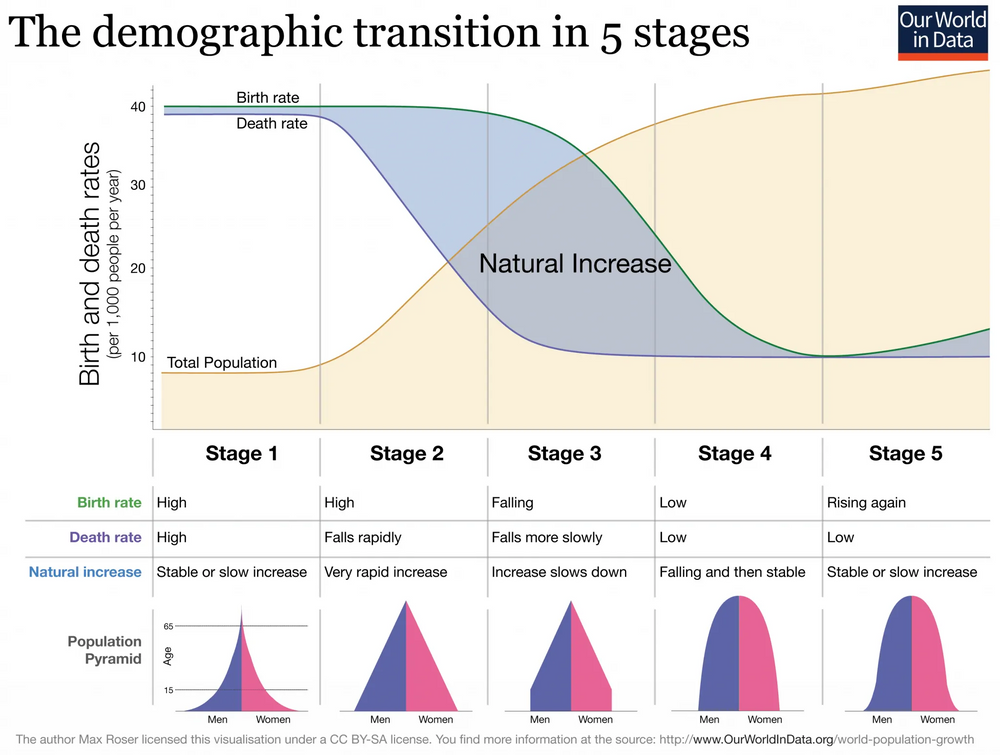
Demographic Transitions and Depletion of Funds The dynamics of demographic transitions cast shadows on the sustainability of state pension systems. As populations age and life expectancies increase, a shift occurs: a larger elderly population supported by fewer working individuals. The resulting burden on pay-as-you-go pension systems, where current workers fund current retirees, strains the system’s viability. A dwindling workforce-to-retiree ratio, exemplified by the US’s projected 2.2 workers per beneficiary by 2035, threatens to exhaust resources. Without interventions, Social Security’s imminent depletion by 2035 underscores the need to seek alternative retirement financing options.
3. The Substantial Retirement Gap
A Harsh Reality: Inadequate Nest Eggs The reality of retirement planning reveals a substantial gap between state pension provisions and actual retirement needs. The 4% rule, a widely used guideline, highlights that one must accumulate a retirement fund of at least 25 times their annual expenses to sustain a 30-year retirement. Comparing this with the projected benefits from Social Security or state pensions underscores the inadequacy. This discrepancy necessitates proactive measures to supplement retirement savings for a financially secure post-work life.
4. Healthcare Costs: An Overlooked Factor
Excessive Healthcare Expenses Retirement planning is incomplete without accounting for escalating healthcare expenses. While socialized healthcare might cover basic needs, many retirees face healthcare costs beyond these provisions. In the US, health-related expenses can consume up to 15% of retirement income. Similarly, the UK’s NHS doesn’t extend to comprehensive social care, leaving retirees to shoulder significant costs. Thus, relying solely on state pensions leaves retirees ill-prepared to tackle mounting healthcare expenditures.
5. Crafting a Secure Retirement Strategy
5.1 Shift in Mindset To embark on a secure retirement journey, one must first realign their mindset. Treating state pension benefits as supplementary to personal savings empowers individuals to take charge of their financial well-being. Adopting a holistic approach accounts for all aspects of retirement costs, ensuring comprehensive coverage.
5.2 The Imperative of Savings With state pensions falling short, proactive saving is imperative. A sobering reality check reveals that substantial savings, typically around 15%-20% of annual income, are necessary to bridge the retirement gap. Contributions to employer-sponsored retirement plans, such as the 401(k) in the US and workplace pensions in the UK, lay the foundation for a resilient retirement portfolio.
5.3 Embrace Tax-Advantaged Accounts Diversifying retirement savings through tax-advantaged accounts further fortifies one’s financial security. IRAs in the US and SIPPs/ISAs in the UK provide avenues for tax-efficient wealth accumulation, enabling retirees to build sizeable nest eggs.
5.4 The Reliable Retirement Companion In contrast to the elusive state pension, these proactive strategies ensure a reliable retirement companion—one that stands by you throughout the journey. Rather than relying on the flaky friend who may not fulfill promises, retirees can turn to a steadfast plan fortified by savings, investments, and thoughtful financial planning.
In a world where state pensions and Social Security fall short of securing a comfortable retirement, it’s imperative to take control of your financial destiny. By embracing a comprehensive approach, centered on robust savings, diversified investments, and an awareness of healthcare costs, individuals can craft a retirement strategy that offers stability and peace of mind. A secure retirement isn’t a distant dream—it’s within reach through diligent planning and a commitment to financial empowerment.